Financial automation: from bank reconciliation to the accounting close
Financial automation can connect transactions, invoices, approvals and exceptions without turning the close into a black box.
By Synthex Team
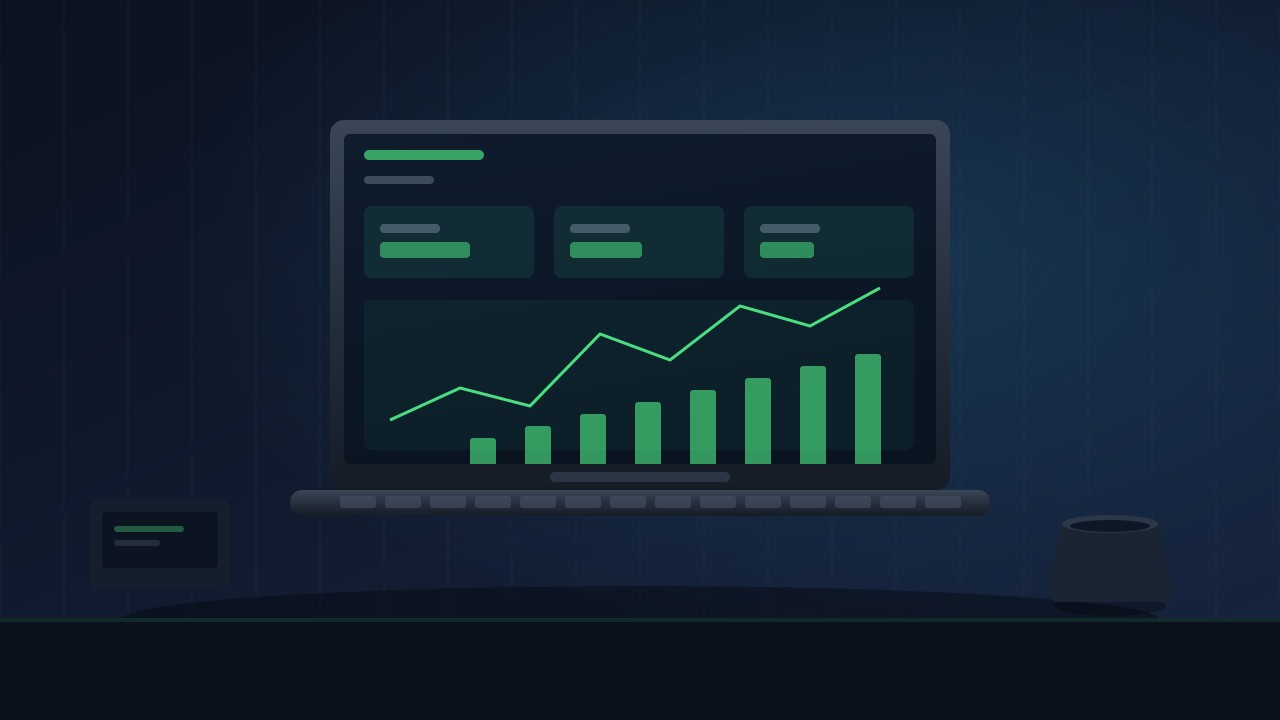
Where financial automation starts
Financial automation is not about handing accounting decisions to a model. It is about connecting transactions, invoices, documents, approvals and records to reduce search, copy and check tasks. Automation should make the process more visible, not turn it into a black box.
Reconciliation and matching
In reconciliation, a system can compare transactions against invoices or records and propose matches based on references, amounts, dates or other fields. Clear rules should stay deterministic and doubtful cases should be set aside for review.
The exception is part of the process
Exceptions are a normal part of the process. A duplicated invoice, an amount mismatch, a nonexistent reference or a transaction without context should not force the system to invent a solution. It should stop the flow, preserve the evidence and route the case to the right owner.
Approvals and traceability
Approvals can also be part of a workflow. An operation can come in, be validated, go to a person when it exceeds a threshold or meets a condition, and be logged together with its result. That reduces coordination without losing traceability.
What should not be delegated
Some tasks require extra caution: sensitive changes, entries that affect critical information or decisions that depend on professional judgment. Automation can prepare, check and route; final accountability must stay where it belongs.
Traceability before speed
A good system lets you reconstruct what data came in, which validations ran, which exception appeared and which person approved the next step. That traceability matters more than achieving a seemingly faster process that is hard to audit or correct.